On a weight-loss medicine? Why strength training matters

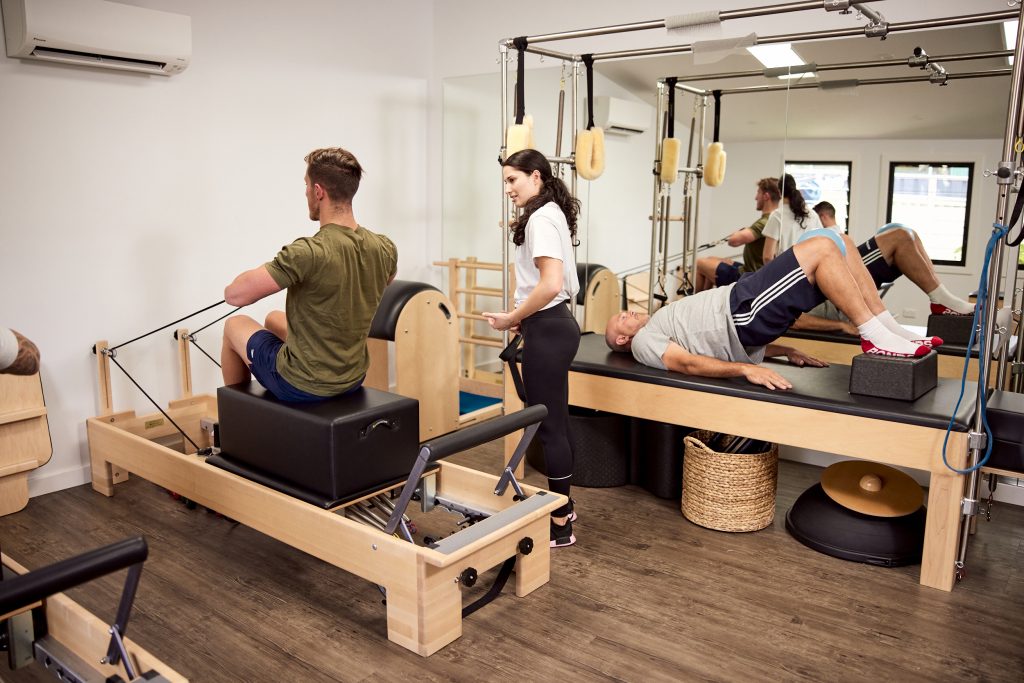
If you are losing weight on a GLP-1 medicine, strength training is one of the most useful things you can add. Some of the weight lost on these medicines can be muscle, not just fat. Regular strength work helps you hold on to muscle, strength and balance as the number on the scales comes down.
Why muscle matters when you lose weight
Muscle does much more than help you lift things. It supports your joints, keeps you steady on your feet, and helps you keep doing everyday things like climbing stairs, carrying shopping and getting up off the floor.
When anyone loses weight quickly, some of that loss comes from lean tissue. In a large trial of one GLP-1 medicine, body scans showed that roughly a third or more of the weight lost was lean mass. Those scans cannot fully separate muscle from water and other tissue, so the true muscle loss is likely lower. It is still worth taking seriously.
What Australian experts are saying
In June 2026, exercise and fitness experts called for exercise to be prescribed alongside these medicines to help protect muscle and bone (CityNews). In October 2026, the Australian Physiotherapy Association called for physiotherapy to be part of GLP-1 treatment pathways to support strength, mobility and independence.
Women in midlife and around menopause may need to pay extra attention, as bone density can already be falling at this stage of life.
What the research suggests about strength training
Studies of weight loss through diet show that adding resistance training can greatly reduce the amount of lean mass lost. Early research combining GLP-1 medicines with structured strength training points the same way. The research on GLP-1 medicines in particular is still developing, so we keep our advice to what is known: regular strength work is good for nearly everyone losing weight.
What a good starting program looks like
You do not need a gym membership or heavy weights to begin. A sensible plan usually includes:
- strength exercises for the major muscle groups, two or more days a week
- a gradual build in load, so your muscles keep being challenged
- balance work, especially if you are over 50 or have had a fall
- enough protein in your diet, which is worth discussing with your GP or a dietitian
- regular walking or other movement you enjoy
If you have joint pain, a past injury or have not exercised for a while, start with guidance rather than guessing.
How we can help at Incline Health
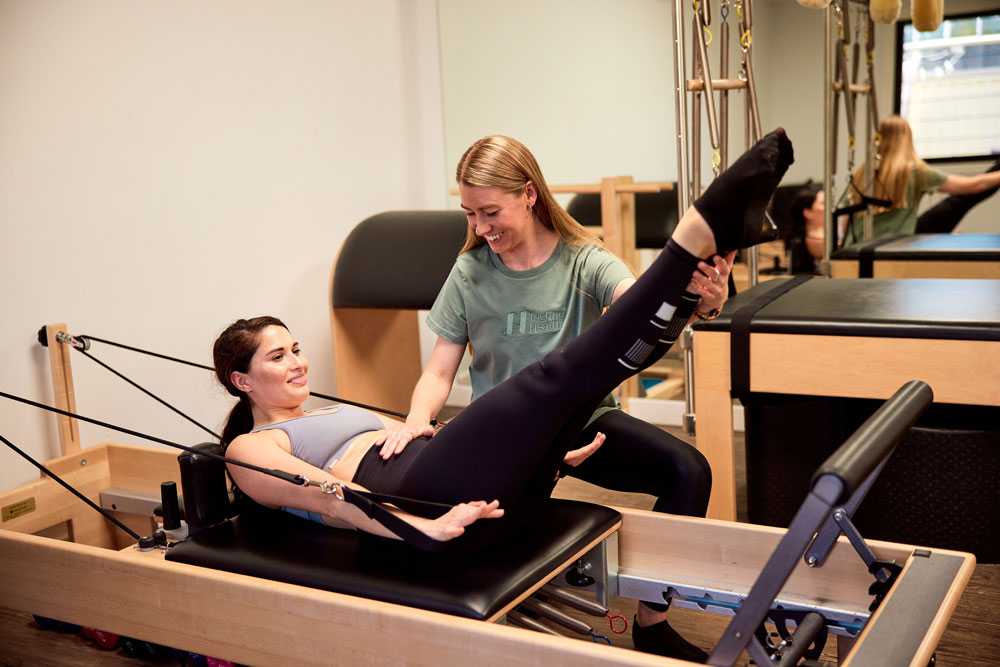
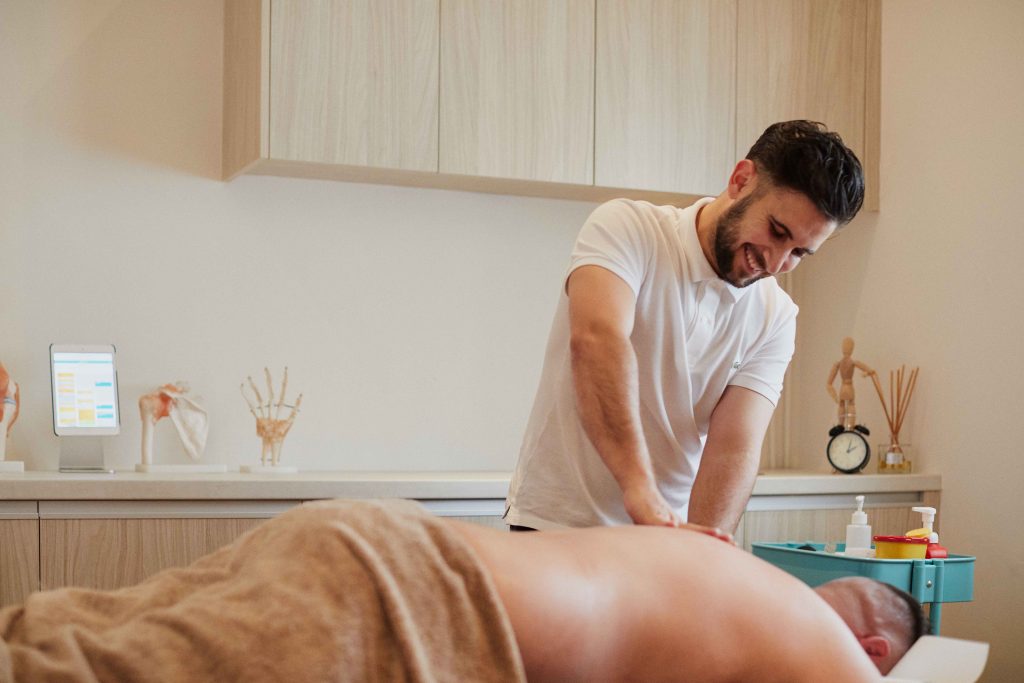
Our physiotherapists and clinical Pilates instructors can assess your strength, movement and any aches or injuries. We then build a program that suits your body and your goals, and adjust it as your weight changes.
Clinical Pilates at our Leichhardt clinic is a good option if you want supervision while you build strength. We can also write you a home or gym program.
Talk to your prescribing doctor about your medicine and any exercise plans, and let us know what medicines you take when you come in.
Book online or call (02) 9569 9552.
This article is general information, not personal advice. Speak with your doctor before starting a new exercise program.