What Are the Three Types of Physiotherapy?

The three main types of physiotherapy are musculoskeletal physiotherapy, neurological physiotherapy, and cardiopulmonary (cardiorespiratory) physiotherapy. Musculoskeletal physiotherapy focuses on muscles, joints, and bones. Neurological physiotherapy supports people with conditions affecting the nervous system, such as stroke or Parkinson’s disease. Cardiopulmonary physiotherapy helps people with heart and lung conditions improve breathing, endurance, and cardiovascular health.
Physiotherapy also includes specialised branches such as pediatric, geriatric, and women’s health physiotherapy, each tailored to the unique needs of specific populations.
While these are the primary categories, experienced physiotherapists often integrate approaches across different types of physiotherapy depending on your condition, goals, and overall health. There is a variety of evidence-based techniques and options available in physiotherapy, and your treatment plan will depend on your individual needs and objectives. Physiotherapy aims to provide a holistic approach, considering not just physical symptoms but also psychological and social factors to support long-term well-being.
If you’ve just received a GP referral or you’ve been up late googling symptoms and feeling overwhelmed, you’re not alone. Physiotherapy terminology can feel confusing at first, especially if this is your first appointment. Understanding the different types of physiotherapy can make the whole process feel far less daunting—and help you feel confident you’re getting the right care. Choosing a qualified physiotherapist is essential, as their credentials and expertise, along with a sense of comfort and trust in the therapeutic relationship, can significantly influence your treatment outcomes.
At Incline Health in Leichhardt, we regularly see patients who aren’t sure what type of physio they need or what their referral actually means. This guide is designed to make things clearer. By the end, you’ll understand the three main types of physiotherapy and have a better idea of which approach suits your situation.
Why Understanding the Types of Physiotherapy Matters
Not all physiotherapy treatments are the same. While the goal is always to improve movement, reduce pain, and restore function, the approach matters. Physiotherapy often employs various techniques tailored to individual needs, ensuring that each patient receives the most effective care.
For example, back pain from long hours at a desk requires a very different approach to rehabilitation after a stroke or managing breathlessness after COVID-19. Understanding the types of physiotherapy helps you ask better questions, feel more confident at your appointment, and avoid unnecessary frustration. Physiotherapists provide knowledge and education to empower self-management, helping you take control of your recovery and ongoing health.
Physiotherapy aids recovery from injuries or surgeries and helps prevent future complications by providing personalised treatment plans.
A Simple Overview: What Is Physiotherapy?

Physiotherapy is a healthcare profession focused on improving physical function, movement, and quality of life. Physiotherapists assess how your body moves, identify what’s contributing to pain or limitation, and create a personalised treatment plan to help you move better.
Physiotherapy treatments may include manual therapy techniques, targeted exercises, education, and lifestyle modifications. These techniques often target the musculoskeletal system and employ a variety of evidence-based approaches to address injuries, pain, and mobility issues. Physiotherapists are skilled in employing manual therapy, exercise therapy, and education on self-management strategies. The aim is not just to relieve pain, but to promote healing, restore function, and help you return to an active life.
The Three Main Types of Physiotherapy
Physiotherapy includes many specialisations—such as sports physiotherapy, women’s health, paediatrics, and geriatric physiotherapy—but most fall within or overlap these three foundational categories:
- Musculoskeletal physiotherapy
- Neurological physiotherapy
- Cardiopulmonary physiotherapy
Specialised branches also include paediatric, geriatric, and women’s health physiotherapy, each tailored to specific health conditions and patient needs.
Paediatric physiotherapy helps infants, children, and adolescents of all ages reach developmental milestones, improve movement, strength, coordination, and overall physical function. It addresses developmental delays and supports physical development, working closely with families to create personalised treatment plans that foster growth and participation in daily activities.
Physiotherapy also helps patients regain lost skills and improve movement after neurological events such as strokes or nerve injuries.
Let’s look at each one in detail.
1. Musculoskeletal Physiotherapy
Musculoskeletal physiotherapy is the type most people think of when they hear “physio.” It focuses on treating muscles, bones, joints, ligaments, and tendons, and it’s the most common form of physiotherapy. Musculoskeletal physiotherapy addresses issues within the musculoskeletal system, diagnosing and treating conditions that affect movement and function. This type of physiotherapy is especially helpful for reducing pain and improving mobility, particularly after joint replacement surgeries.
If you’re dealing with back pain, a sports injury, or a joint problem, this is likely the type of physiotherapy you need. Athletes benefit from musculoskeletal physiotherapy for both rehabilitation and preventing injuries, as physiotherapists design programs to enhance performance and reduce the risk of future injuries. Treatment plans often include corrective exercises tailored to address biomechanical imbalances, as well as modalities such as ultrasound and transcutaneous electrical nerve stimulation to promote healing and manage pain.
Conditions Commonly Treated
Musculoskeletal physiotherapy helps with a wide range of musculoskeletal injuries and conditions, including:
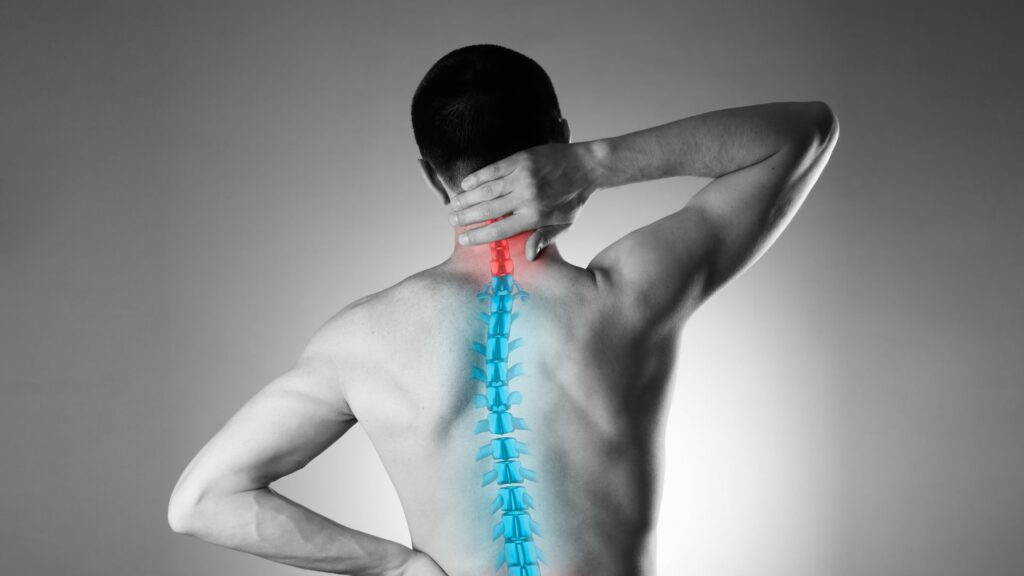
- Back and neck pain
- Sports injury and sports physiotherapy rehabilitation
- Shoulder, knee, and hip problems
- Arthritis and musculoskeletal disorders
- Workplace and repetitive strain injuries
- Postural issues
- Post-surgical rehabilitation following orthopaedic surgical procedures
- Post-operative rehabilitation following joint replacement
Physiotherapists also prescribe corrective exercises to address biomechanical imbalances, improve movement patterns, and prevent re-injury.
Many people attend physiotherapy for pain management, chronic pain, or ongoing stiffness that’s affecting daily life.
Local Leichhardt Examples
We see many musculoskeletal injuries in Leichhardt and the Inner West, including:
- Office workers with shoulder or neck pain from working at home in terrace houses or converted warehouse apartments
- Hospitality workers along Norton Street dealing with foot, knee, and back pain from long shifts
- Cyclists who train around the Bay Run and develop overuse injuries
- Soccer players picking up a sports injury at Leichhardt Oval. Physiotherapists play a crucial role in supporting athletes, helping them achieve a safe return to sport after injury by developing tailored rehabilitation and injury prevention plans.
Physiotherapy involves various techniques, such as manual therapy, exercise prescription, pain management, and rehabilitation strategies, all customised to meet the specific needs of different patient groups.
What Treatment Usually Involves
Appointments often include a combination of:
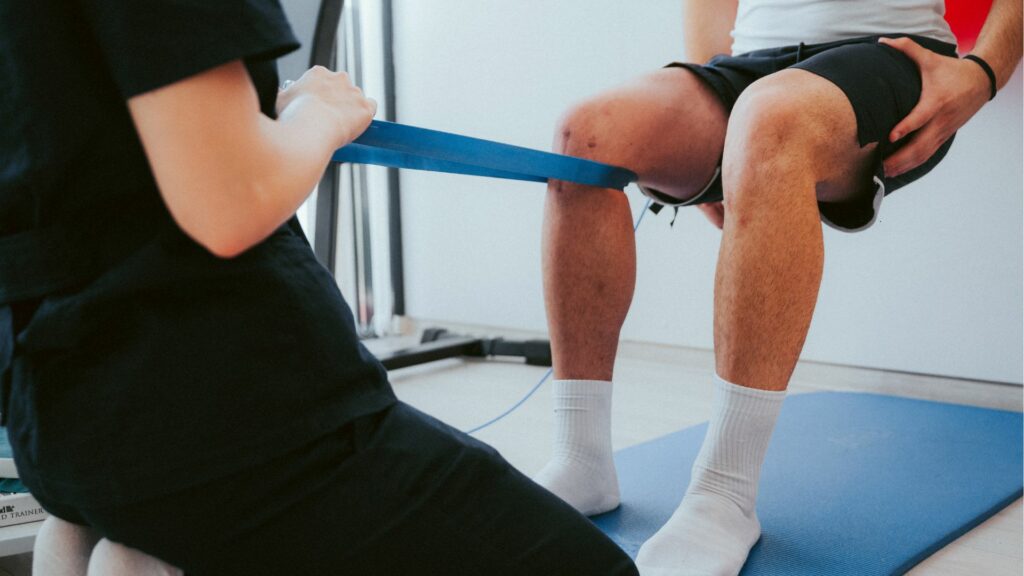
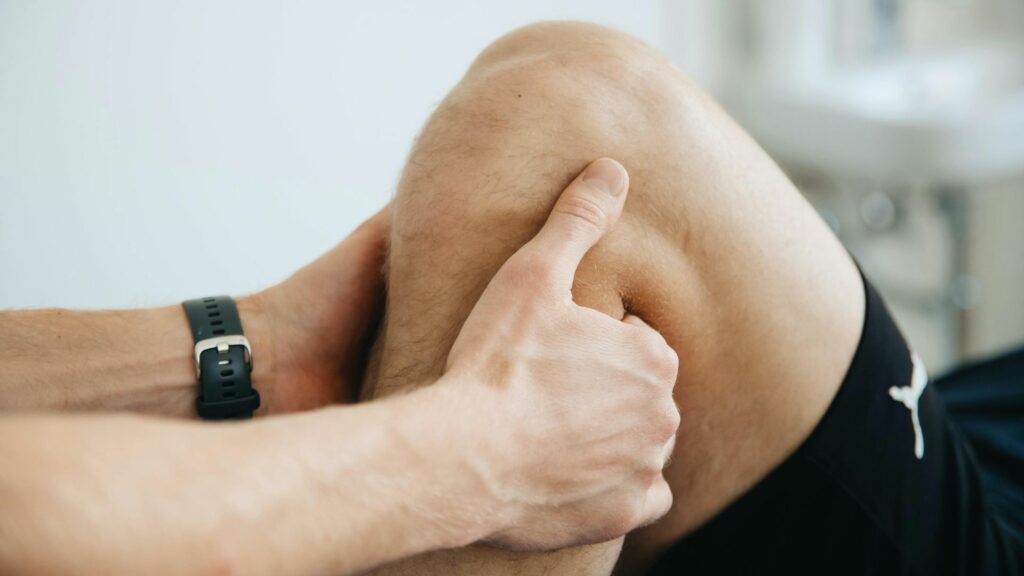
- Manual therapy and joint mobilisation
- Joint mobilisation to improve range of motion
- Therapeutic exercises and strengthening exercises
- Corrective exercises to address movement imbalances
- Education around posture, movement, and injury prevention
- Heat therapy or cold therapy, where appropriate
- Ultrasound and transcutaneous electrical nerve stimulation (TENS) for pain relief and tissue healing
- Progressive, personalised treatment plans designed to restore function
The focus is on reducing pain, improving mobility, and preventing future injuries. Various techniques are employed to ensure comprehensive care.
Who Benefits Most
Musculoskeletal physiotherapy is ideal for people with:
- Muscle or joint pain
- Sports injuries
- Work-related injuries
- Postural problems
- Pain affecting everyday movement
2. Neurological Physiotherapy

Neurological physiotherapy focuses on conditions affecting the nervous system, which controls movement, balance, coordination, and sensation. These conditions can result in loss of coordination, strength, or sensation. A neurological physiotherapist specialises in treating conditions such as stroke, multiple sclerosis, and Parkinson’s disease. Physiotherapists lead patients through tailored exercises to aid recovery and help patients regain lost skills and independence. This is a specialised area of physiotherapy, and not all clinics offer it.
Conditions Treated
Neurological physiotherapy supports people living with neurological conditions such as:
- Stroke recovery
- Multiple sclerosis
- Parkinson’s disease
- Spinal cord injuries
- Traumatic brain injuries
- Cerebral palsy
- Peripheral neuropathy
- Vestibular disorders causing dizziness or balance issues
- Developmental delays in children
Neurological physiotherapy helps patients regain movement and functional independence after neurological events, supporting recovery of lost skills and improving quality of life.
The Inner West has an ageing population, and we commonly see residents managing age-related neurological changes or recovering after stroke.
What Treatment Looks Like
Neurological physiotherapy focuses on retraining movement patterns and improving functional independence. Treatment may include:
- Specialised exercises to improve balance and coordination
- Gait retraining and mobility practice
- Strength and motor control exercises
- Strategies to improve confidence and safety during daily activities
The physiotherapist leads patients through various techniques designed to aid recovery and restore function.
The aim is to enhance physical function, promote independence, and improve overall quality of life.
Who Benefits Most
This type of physiotherapy is best suited to:
- Stroke survivors
- People with progressive neurological conditions
- Individuals with balance or coordination difficulties
- Patients recovering from brain or spinal cord injuries
A sense of independence is fostered through therapy, and families play a crucial role in supporting recovery.
3. Cardiopulmonary (Cardiorespiratory) Physiotherapy
Cardiopulmonary physiotherapy—sometimes called cardiothoracic or pulmonary physiotherapy—focuses on heart and lung conditions. Treatment aims to improve lung function and heart health, helping patients recover and enhance their overall cardiovascular capacity. A holistic approach is used to address both respiratory and cardiovascular needs, considering physical, psychological, and social factors for long-term well-being. Conditions treated in cardiorespiratory physiotherapy include chronic obstructive pulmonary disease (COPD), asthma, and post-operative recovery after heart surgery. Many people don’t realise physiotherapists play a crucial role in respiratory and cardiovascular rehabilitation.
Conditions Treated
Cardiopulmonary physiotherapy supports people with:
- Chronic obstructive pulmonary disease (COPD)
- Asthma
- Heart failure
- Pre and post-cardiac surgery recovery
- Pneumonia and respiratory infections
- Bronchiectasis
- COVID-19 recovery and long COVID
Treatment in this area focuses on supporting lung function and improving heart health, helping patients manage symptoms and recover more effectively.
Awareness of this type of physiotherapy has increased significantly since COVID, particularly for people experiencing ongoing breathlessness and fatigue. Cardiopulmonary physiotherapy also encourages a healthier lifestyle by improving respiratory and cardiovascular function.
Treatment Techniques
Treatment may involve:
- Breathing retraining and airway clearance techniques
- Gentle, progressive exercise programs
- Education to improve respiratory function
- Techniques to improve cardiovascular fitness and endurance

Various techniques, including ultrasound and transcutaneous electrical nerve stimulation (TENS), may be used to support recovery, reduce pain, and promote tissue healing as part of a comprehensive physiotherapy plan.
Integrated modalities such as clinical Pilates, hydrotherapy, and technology-driven rehabilitation are also available in some clinics to further enhance patient outcomes.
The goal is to improve breathing efficiency, support cardiovascular health, and help patients return to daily activities safely.
Who Benefits Most
Cardiopulmonary physiotherapy is ideal for people with:
- Ongoing breathing difficulties
- Heart and lung conditions
- Reduced endurance after illness or surgery
After cardiopulmonary physiotherapy, patients often benefit from a renewed sense of independence and a healthier lifestyle.
How to Know Which Type of Physiotherapy You Need
A simple way to start is by looking at your main symptoms:
- Back pain, joint issues, sports injury → Musculoskeletal physiotherapy
- Stroke recovery, balance problems, neurological conditions → Neurological physiotherapy
- Breathing issues, heart conditions, long COVID → Cardiopulmonary physiotherapy
There are many options available when it comes to physiotherapy, and having the right knowledge about the three types of physiotherapy helps you make an informed choice for your needs.
That said, many conditions aren’t clear-cut. Some people benefit from an approach that bridges different types of physiotherapy. That’s why a thorough assessment is so important.
If your GP has referred you, they’ve usually indicated the most appropriate category. If you’re self-referring or still unsure, a qualified physiotherapist can guide you after an initial assessment. Always research the qualifications and experience of your physiotherapist to ensure you receive the best possible care.
Overlap and Specialisations Within Physiotherapy
Beyond the three main categories, there are many areas of special interest, known as specialised branches, including:
- Sports physiotherapy (within musculoskeletal physiotherapy)
- Women’s health physiotherapy, which addresses pelvic floor and bladder conditions such as incontinence, as well as pre/postnatal care
- Paediatric physiotherapy and paediatric physiotherapists, supporting physical development and helping infants, children, and adolescents reach developmental milestones and improve motor skills
- Geriatric physiotherapy focusing on age-related mobility changes
- Vestibular physiotherapy bridging neurological care
At Incline Health in Leichhardt, our team works collaboratively across these areas, allowing us to tailor treatment plans for complex or overlapping conditions.
Finding the Right Physiotherapist in Leichhardt

When choosing a physiotherapist, look for:
- Experience with your specific condition
- Clear communication and explanation
- Individualised treatment plans
- A clinic that understands local lifestyles and demands
Questions to ask when booking:
- Do you treat my type of condition regularly?
- What should I expect in my first appointment?
We support patients from Leichhardt, Annandale, Lilyfield, Petersham, and Haberfield, offering care that feels local, personal, and approachable.
Make the Empowered Choice
Understanding what are the three types of physiotherapy—musculoskeletal, neurological, and cardiopulmonary—helps you feel informed and empowered when seeking care. Each plays a vital role in improving movement, managing pain, and enhancing quality of life.
Whether you need musculoskeletal treatment for a sports injury, neurological physiotherapy after a stroke, or cardiopulmonary support for breathing issues, expert care is available right here in Leichhardt.
If you’re unsure which type of physiotherapy is right for you, you don’t have to navigate it alone. Book an initial assessment at Incline Health, and we’ll work out exactly what you need—clearly, calmly, and with your goals in mind.